One of the most underrated ways to stick to your gluten-free diet is meal planning and meal prepping. However, sometimes meal prep can get a bad reputation for being a boring way to make lunch for yourself or a way to waste your Sunday afternoon. Getting started with meal prepping doesn’t have to be overwhelming and it can benefit you more than you might think.
Meal prepping can make life easier, help you stay on track with your goals, and take A LOT of thinking out of your week. Our brains work enough during the week; any chance to give it a break helps more than you might think.
The most important thing to remember is that there are so many levels of meal prep. It doesn’t have to be an all-in or wasteful Sunday situation.
This post contains product affiliate links.
I may receive a small commission if you make a purchase after clicking on one of these links.
Basic Levels of Planning
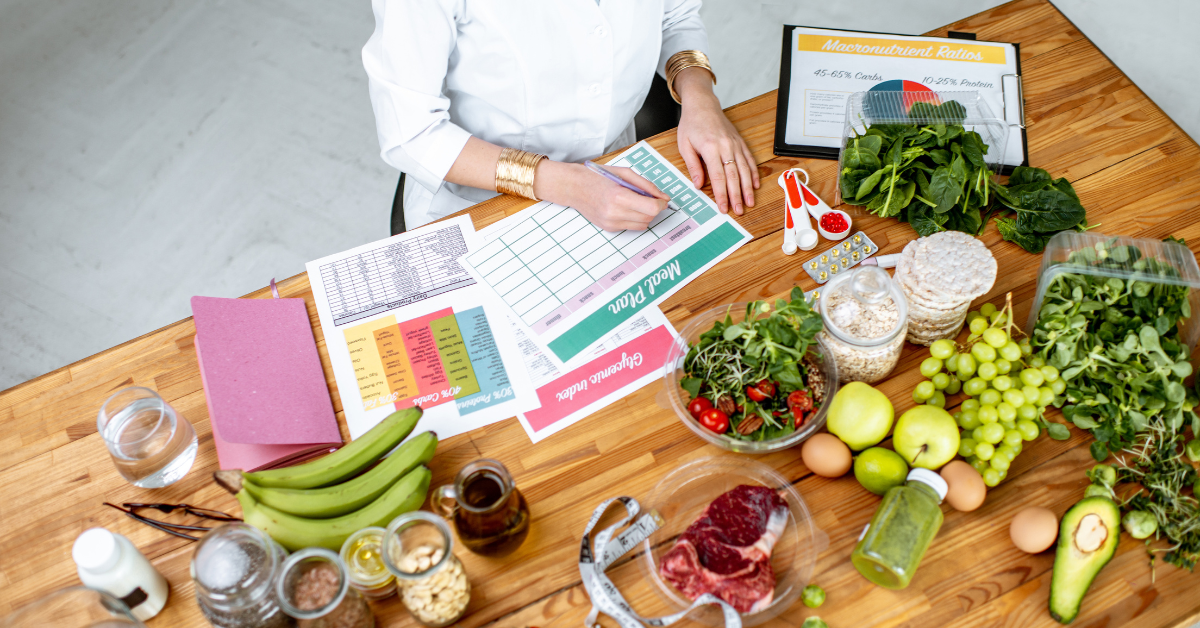
If you have any form of a nutrition goal, you should be doing SOME level of meal planning. It doesn’t have to be detailed for 21 meals a week. Learning how to meal plan not only helps you stay on track but also helps you plan your grocery trips.
When it comes to meal prep, you don’t have to go all in. Something as simple as organizing your fridge to make sure you have all of the ingredients you need for your weekly meals is a basic level of meal prep.
You don’t have to have everything pre-cooked or in fancy meal prep containers, just organize it with recipes so you know exactly what is needed when you start to cook. Not only does this take the thinking out of your evening, but it takes the panic of missing ingredients out too.
This is a great way to get started with meal prepping. Just take the baby step, plan, and organize your week.
Next Level Prepping
Moving up to the next level of meal prep means getting things organized but also cleaned and maybe partially cooked.
For example, if you plan on eating 3-5 meals with chicken throughout the week, get all of the chicken cooked at the start of the week. By doing this level of prepping, you’re able to take some of the cooking steps out of the recipe you’re making. This can save you time throughout the week.
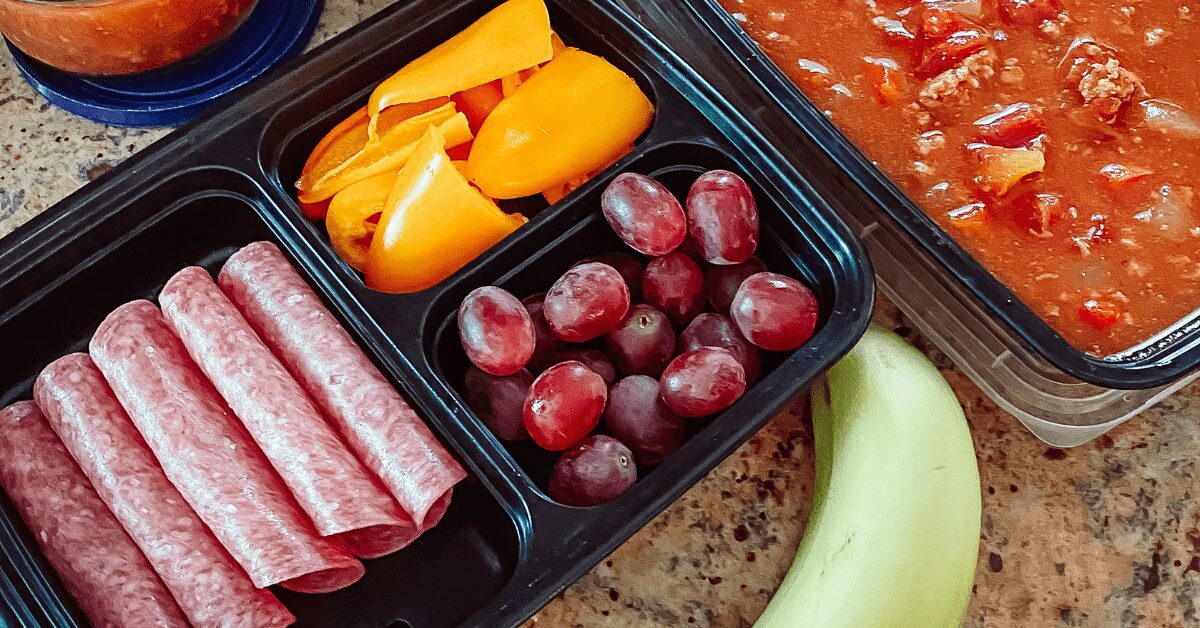
Another piece of next-level prepping is washing and cutting up your fruits and veggies. Ultimately, the goal is to take the hard part out of eating healthy. By having fruits and veggies cut and ready to go, there are fewer excuses to keep from eating unhealthier foods.
All-In Meal Prepping
This is where meal prepping can get a negative reputation… the all-in mentality. There are the cute meal-prep containers, the hours spent on Sunday, and meals planned every moment of the day.
Granted, it doesn’t have to be that way. There are ways to cut down on the amount of time spent and meals needed to be cooked.
My number one tip is to stick with one type of protein. Instead of cooking 3 or 4 different proteins, pick one protein and cook it 3 to 4 ways. For example, chicken can be made into chicken salad, a salad with chicken on it, taco bowls, nachos, chicken Alfredo, etc. This way, you won’t get bored with your food every day, but you won’t have to spend as much time cooking on Sunday.
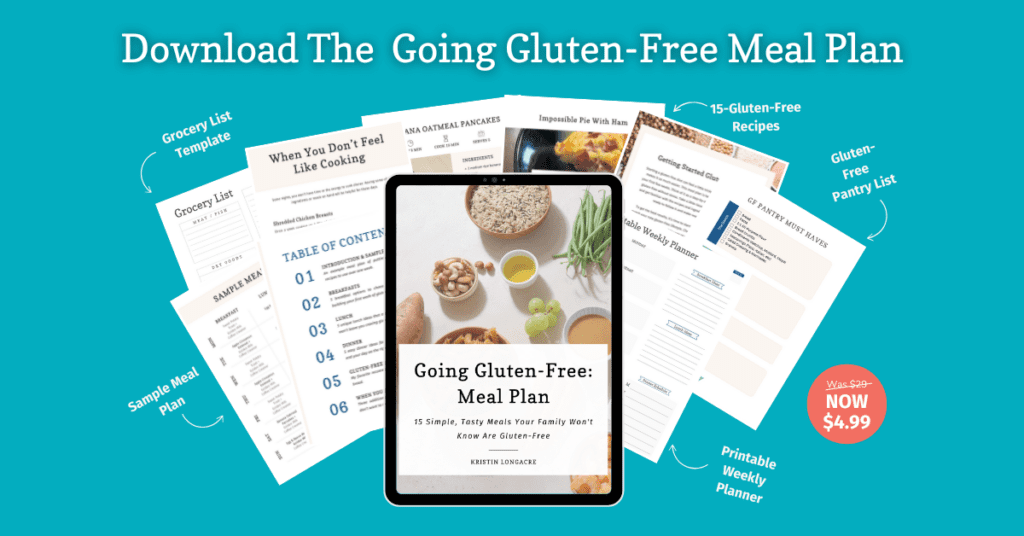
If you’re not ready to make your own meal plan, download the Going Gluten-Free Meal Plan to get your meal prep started!
You Might Also Like

Creamy & Safe: Gluten-Free Coffee Creamer Options You’ll Love in Every Sip
Many people are shocked when they start their gluten-free diet because of all the places they might find gluten. One of those places is coffee creamers. Yes, you need to add gluten-free coffee creamers to your list of foods to look for. This post contains product...
How to Create a Go-To Meal List with Easy Gluten-Free Recipes
As you shift to eating gluten-free, this will most likely mean a shift in the amount of food needed to be cooked at home. The good news? Creating a list of easy gluten-free recipes that fit your lifestyle isn’t as difficult as it sounds! At first, meal planning can...
ABOUT ME

Hey There, I’m Kristin Longacre, a gluten-free nutrition coach helping women get started with a gluten-free lifestyle in a way that is manageable and less overwhelming.