

It happens without fail after every holiday; the gluten-free Facebook groups are filled with posts that are similar to: “My family members just don’t get it. They don’t accept my gluten-free diet and were rude all evening. I’m devastated.”
Unfortunately, that is the reality of a gluten-free diet. People will have opinions, and they won’t always be positive ones. As you walk through the holiday season, you likely will encounter people who don’t believe you.
It can be frustrating, weigh you down, and ruin your holiday night.
The important thing to remember is that it’s not personal… even though it might feel that way.
Adjusting your mindset around it will make the most significant difference in your holiday season.
Let’s talk about it.
They Don’t Understand It
This is the most important thing to remember this holiday season: the people who deny your gluten-free diet is real are those who do not have an understanding of what it means.
Historically, the word diet has meant weight loss and trendy diets. Those of us on the gluten-free diet know that it means getting out of bed in the morning, not throwing up after dinner, and still being able to zip up your pants after a meal.
We are taught from a young age that diet means getting skinny, diet means weight loss, and diets are trendy.
Back in 2010, the gluten-free diet was one of those. It was a trendy way to lose weight, but many people didn’t realize that weight loss happened on the diet because they likely had some form of gluten sensitivity that, at the time, could not be diagnosed.
People realized they felt better when they were gluten-free, and they told stories about it. There weren’t many studies about celiac disease, gluten sensitivities, and the effects of gluten on hormones. So much of that research has come in the last 3-5 years.
While much of this newer research is publicized, it doesn’t make headlines like a new weight-loss diet.
Not Everyone Likes Change
Actually, most people don’t like change, even if you are not asking them to change with you. Most people naturally resist change, and changing cherished holiday traditions—even in small ways—can make people uneasy. The holidays bring out so many emotions, and any shift, no matter how minor, can bring pushback.
It’s important to remember that your new gluten-free lifestyle might unintentionally highlight a change for others, even if it doesn’t directly affect them. People might feel unsure of how to adapt or worry that the holidays won’t feel the same without certain foods. By focusing on how these changes enhance the celebration (i.e., you feel better to celebrate)—rather than detract from it—you can make things easier for everyone involved.
It Feels Inconvenient (For Them)
When someone isn’t living the gluten-free diet day-to-day, they not only have to prepare regular meals but also worry about making sure you’ve got food to eat. Stress levels tend to rise on the holidays, and adding a perceived inconvenience can make things even more stressful.
From reading labels to swapping out ingredients, the learning curve can make it seem time-consuming and overwhelming. For someone who’s never had to think about gluten before, the idea of adjusting recipes or finding safe alternatives can feel like uncharted territory.
Offering to bring a dish or cook your meals is one way to help navigate this. However, it may also leave the host with uneasiness that you cannot be fed from their kitchen. It may be a no-win situation, but it’s important to keep in the back of your mind that they might be trying to be a good host but also feeling inconvenienced at the same time.

Handling Gluten-Free Holidays
While you can’t always avoid the situations, there are some ways you can try and work through the holidays with people who don’t understand your gluten-free diet.
How To Help Your Family Understand Your Gluten-Free Diet
Some family members will not be willing to understand your health issues. They are set in their ways, and nothing you can do will change that.
However, trying to help them understand your gluten-free diet won’t hurt at first. You may be surprised at who is willing to learn more about it. It’s up to you how much information you’re willing to share. Some things you can explain are:
- What happens to your body when you eat gluten (ie: getting physically sick, painful joints, unable to get out of bed, etc.)
- Your experiences trying new gluten-free foods.
- How long you’ve been gluten-free.
- What some of your favorite gluten-free foods have been.
Don’t exhaust yourself trying to fight with those unwilling to learn; however, if sharing more comes up, don’t be shy about letting them into your new lifestyle.
Have a Friend on Standby
If you are going to be attending a social gathering and you know your gluten-free diet will not be well received, it’s essential to have someone in your corner. They may not be physically at the same event, but having them a phone call away will make a massive impact on your mental health.
When you hear hurtful comments repeatedly, they can easily weigh you down. Having someone you can reach out to during or after the social event who is ready to let you vent can make a difference.
Plan with your person and explain your situation. Tell them you may need someone to cry it out with or simply vent to once this gathering ends. Instead of going home alone without someone to lean on, you’ll be able to let your feelings out to someone who understands. This is essential for your mental health.
The holiday season isn’t an easy one for everyone. For various reasons, different types of stress will be coming up; your gluten-free diet does not need to be one of them. You should be able to enjoy the holiday as much as possible without worrying about the food on your plate.
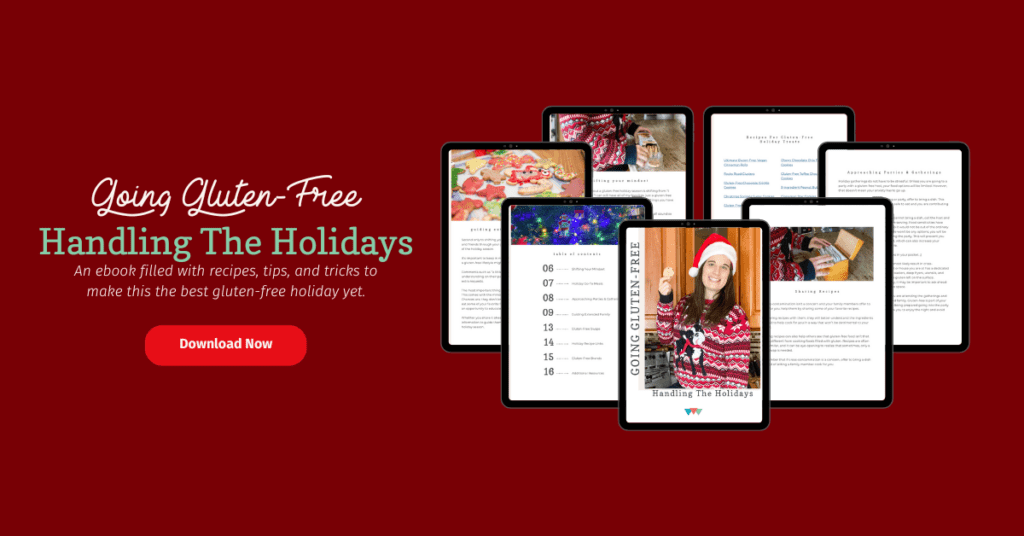
For additional help on gluten-free holidays, download my ebook Going Gluten-Free: Handling The Holidays. It’s filled with recipes, tips, tricks, and mindset shifts to get you through the holiday season.
ABOUT ME

Hey There, I’m Kristin Longacre, a gluten-free nutrition coach helping women get started with a gluten-free lifestyle in a way that is manageable and less overwhelming.