

Going gluten-free doesn’t mean just eliminating breads and pasta. There are so many unexpected hidden sources of gluten that it isn’t uncommon to accidentally eat gluten, especially when you are first getting started on the gluten-free diet.
Gluten is a protein found in wheat, barley, and rye. While it is common to look for wheat on food labels, it is not as common to think about barley, rye, and various products made up of combinations of those foods. Gluten often goes by other names, like malt, dextrin, or modified food starch, making it challenging to identify.
It can also be found in surprising places, from sauces to personal care products. Even a small amount can trigger symptoms in those with celiac disease or gluten sensitivity.
In this blog post, we will break down unexpected places where gluten hides, giving you the tools to identify and avoid it. You can maintain a gluten-free lifestyle without worry by staying on top of it.
This post contains product affiliate links.
I may receive a small commission if you make a purchase after clicking on one of these links.
Ingredients That Contain Gluten
The Many Names of Gluten: What to Watch For
When you are reading food labels, gluten can be listed under many different names, such as:
- Semolina
- Durum
- Farina
- malt extract
- hydrolyzed wheat protein
As you are going gluten-free, it’s not expected that you will memorize these names as well as the other things they might be known as. However, it shows how incredibly important it is to look for more than just “wheat” on a food label.
Are Artificial Flavors and Colors Gluten-Free?
While artificial flavors and colors are generally gluten-free, some may contain hidden gluten or be made in factories that allow cross-contamination. When you see artificial flavors or natural flavors listed on an ingredient label, always check with manufacturers. It could go either way.
Malt-Based Ingredients Are A Common Hidden Culprit
One of the biggest hidden gluten sources is malt-based ingredients. Malt vinegar, extract, and syrup are all derived from barley and contain gluten. These ingredients are in virtually everything you find in a processed foods section, including (but not limited to) cereals, candies, and beverages.
People can be confused by malt-based ingredients. For example, Rice Krispies treats are often considered a quick and easy gluten-free treat when made from scratch, even though they don’t contain gluten on the surface.However, the pre-packaged Rice Krispies treats are generally not gluten-free, as they contain malt flavorings, which contain gluten.
Other Gluten-Containing Ingredients to Look For
Two other ingredients to look for are modified food starch and hydrolyzed vegetable protein. Both are often made from wheat.
Modified food starch is often derived from wheat, though it can also come from corn or potatoes. Unless specifically labeled as gluten-free, it’s best to avoid it.
Hydrolyzed vegetable protein (HVP) is sometimes made from wheat. This ingredient is often added to soups, sauces, and processed meats, so it’s essential to double-check.
While gluten sounds simple, it can be complicated in all of the unexpected sources of gluten. It’s more important than ever to do your research and make sure you are sticking with gluten-free items.
Everyday Foods That May Contain Hidden Gluten
Oats: Naturally Gluten-Free but Often Contaminated
Oats don’t contain gluten directly. However, it’s common to get glutened from oats because they’re frequently processed in wheat factories, leading to cross-contamination. Always look for certified gluten-free oats.
Every grocery store is different, so gluten-free oats are easier to find in some places vs. others. Some brands I love and always recommend are:
When consuming something made with oats by someone else, always double-check. Ask them what oats were used and if they are certified gluten-free. If not, avoid the food.
Soups and Broths: The Seasonings and Thickening Agents Matter
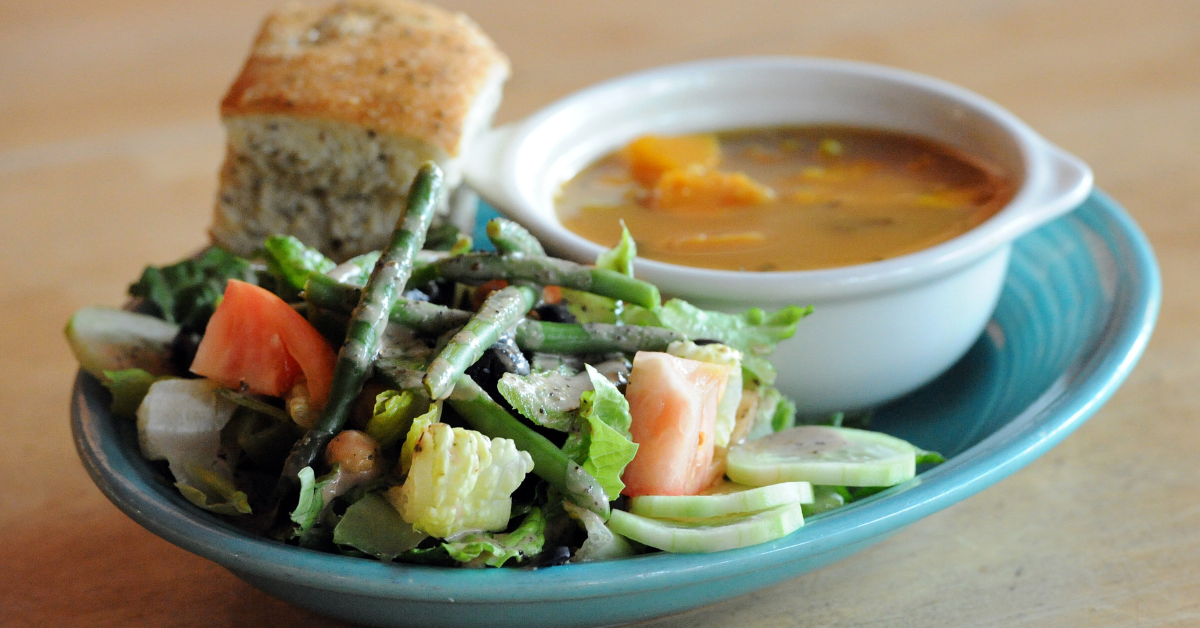
An often overlooked hidden source of gluten is soups and broths. When buying broths to make soup, it’s common to look for the cheapest broth available. Yet many canned and packaged soups contain wheat-based thickeners.
Many broths contain thickeners and small amounts of seasoning when cooking. These seasonings are not always gluten-free, which prevents the broths from being certified gluten-free.
The next time you go to the grocery store to buy broth, give yourself more time to look at labels and look for the gluten-free ones.
Even homemade broths may be contaminated if made with bouillon cubes containing gluten.
Salad Dressings and Sauces: Why You Should Always Read Labels
Sauces and Salad dressings are often not gluten-free by default. With various flavors being added to them, they are not guaranteed to be gluten-free. Not to mention, many sauces and dressings are made in factories that are not certified for gluten-free foods. This means that while the ingredients are potentially gluten-free, the overall product is not due to cross-contamination.
One food that is not gluten-free and often causes confusion is soy sauce. Soy is gluten-free, but soy sauce is not. Soy sauce uses a wheat-based thickener, making it not gluten-free. There are a handful of gluten-free soy sauces, but they can be hard to find. Other options are tamari or coconut aminos. They have tastes and textures similar to soy sauce without gluten.
Processed Meats: Unexpected Fillers and Binders
Deli meats, hot dogs, and sausages often contain gluten as a filler or binder. Just because they are meat does not mean they are gluten-free. Check labels carefully or buy from brands that guarantee gluten-free processing. If you cannot track down the ingredients, it’s safest to stick with fresh meats and avoid the processed ones altogether.
Dairy Products: Surprising Gluten Additives in Yogurt and Cheese
When you think of traditional sources of gluten, dairy products aren’t typically the place to start. Flavored yogurts, cottage cheese, and even shredded cheese may contain gluten as a flavoring or thickener.
For your safety, stick to plain varieties or brands with gluten-free certification.

Drinks That May Contain Gluten
Coffee Creamers and Flavored Coffees: What’s Inside?
Not to ruin your morning, but keep an eye on your coffee creamer and favorite coffee shop. Some coffee creamers and flavored coffee syrups contain gluten-based thickeners. In other words, if you aren’t careful, you could be adding gluten to your morning coffee.
Coffee shops are not necessarily a gluten-free environment. Not only do coffee syrups potentially contain gluten, but the treats that are often served alongside them are generally not gluten-free. Between possible gluten on counter tops, cups and blenders, it’s always best to ask as many questions as possible when ordering from your favorite coffee shop.
Alcoholic Drinks: Which Ones Are Safe and Which to Avoid?
In general, the first alcoholic drink you need to avoid is beer. Beer is made from barley and therefore is not gluten-free. A handful of gluten-free beers are available, but your location matters and they are not often easy to find.
While I don’t want to spoil your fun, you also need to look out for some spirits and flavored liquors as they may also contain hidden sources of gluten.
Always do your own research before consuming alcohol, especially when keeping an eye out for gluten.
Sports Drinks and Electrolyte Powders: The Gluten Factor
A handful of sports drinks and electrolyte powders contain gluten-based stabilizers. This means your favorites may not be safe to drink when all you’re trying to do is rehydrate yourself. Stick with trusted brands that explicitly state they are gluten-free… when in doubt, make your own.
Personal Care and Household Products
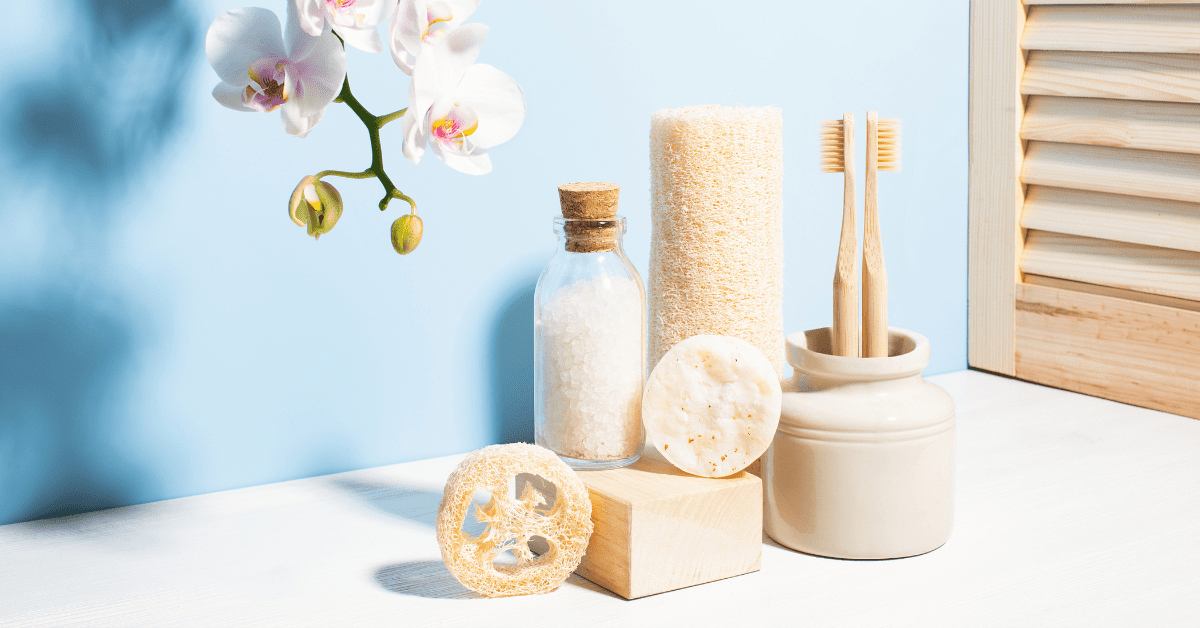
It seems odd that gluten would be hidden in personal care products such as chapstick, makeup, and cleansers. However, gluten is a binding agent, so it is often used in these products.
Even though gluten can’t be absorbed through the skin, it’s important to avoid gluten-containing products, such as hand lotions, if there’s a risk of ingesting them.
Something to keep an eye on is products like Chapstick, lipstick, etc. These products do go on your mouth, which means they can be ingested into your body. If these contain gluten, they can cause a reaction. For those who are celiac, they must be avoided, and you need to make sure you’re using a gluten-free option.
Similarly, toothpastes sometimes contain gluten. If you are celiac or highly gluten-sensitive, it’s imperative that you look for a gluten-free toothpaste.
Prescriptions & Vitamins May Contain Gluten
One more place to check in your house for gluten is your prescriptions and supplements. Some prescription and over-the-counter medications use gluten as a filler.
Always check the ingredients of your supplements and double-check that they do not contain gluten. You may need to do some extra research on the manufacturer’s website.
When it comes to prescription medications, check with your pharmacist for gluten-free alternatives.
Gluten in Non-Food Products
Yes, gluten can be used in non-food products as well. Since it can help add structure, it may be found in places you least expect it to be around your house. Here are a few other places to keep an eye out for gluten.
Playdough and Kids’ Craft Supplies: A Risk for Little Hands
Many popular brands of playdough, including the classic Play-Doh brand, contain wheat as a main ingredient. This is a hidden risk for children with gluten sensitivity or celiac disease, especially since playdough often ends up on hands, under fingernails, and even in mouths.
It’s easy to overlook the potential for cross-contamination during craft time, but the combination of play and snack time can lead to accidental gluten exposure if you aren’t careful.
Fortunately, there are safer options available. Several brands now offer gluten-free playdough, including Colorations Wheat & Gluten-Free Dough and Scented Wonder Dough, both of which are commonly used in schools and homes for children with dietary restrictions.
You can also make your own gluten-free version at home using basic ingredients like rice flour, cornstarch, salt, water, and oil.
When shopping for craft supplies, always check labels for hidden gluten in items like finger paints, glue, and papier-mâché paste. Choosing gluten-free alternatives ensures no possible risk of accidental glutening.
Stamps and Envelopes: Are You Licking Gluten?
Believe it or not, adhesives on stamps and envelopes may contain gluten. While you can’t necessarily check the ingredients on stamps or envelopes, keep yourself safe by using a self-sealing version or a little bit of water instead of licking them closed.
It might sound silly to even think about, but when it comes to little things like this, little extra steps like not licking an envelope closed can save you a lot of pain in the long run.

Apps To Help Identify Gluten
One area that has evolved over the last 5 years is apps to help identify gluten in foods. When you go into the App Store, you will see a number of different apps to use. Some free and some paid. Here are a few of my favorites.
Fig: Food Scanner & Discovery
This has been my go-to app for the last year. It has been the best one with the most options in there. As someone who is both dairy and gluten-free, it has been extremely helpful in navigating pre-made gluten-free foods.
Fig helps users identify foods that align with their dietary needs by scanning product barcodes. It supports various dietary restrictions, including common allergens, and offers personalized food recommendations.
ContentChecked
ContentChecked is another app that allows users to scan product barcodes to determine if they contain specific allergens. It provides detailed information on ingredients and suggests alternative products that may be safer options.
Yuka
Yuka is a free mobile app available for iOS and Android devices. You can scan barcodes of food and personal care products, receive independent ratings, and get recommendations for healthier alternatives wherever available. One thing to note about Yuka is that it contains more than just foods. Yuka rates over 1.5 million food products and over 500,000 cosmetic products in a color-coded format using the European NutriScore calculation method. It takes into account the nutritional values, the presence of additives, and the organic nature of products.
The Importance of Knowing Where Gluten Can Be Hidden
Gluten can hide in the most unexpected places, making label-reading your new favorite pastime. It’s important never to assume a product is safe without verification, whether you research online or check an app.
Stick to whole, unprocessed foods, choose certified gluten-free products, and don’t hesitate to reach out to manufacturers for clarification.
Utilize gluten-free apps, online databases, and advocacy groups to stay informed. Awareness is key to maintaining a safe and healthy gluten-free diet.

You Might Also Like

How to Create a Go-To Meal List with Easy Gluten-Free Recipes
As you shift to eating gluten-free, this will most likely mean a shift in the amount of food needed to be cooked at home. The good news? Creating a list of easy gluten-free recipes that fit your lifestyle isn’t as difficult as it sounds! At first, meal planning can...
6 Tips For Gluten-Free Beginners
Looking back on our gluten-free journey, there are countless things I wish I had known from the beginning. Transitioning to a gluten-free lifestyle meant more than swapping out the bread in my pantry—it required a complete overhaul of how I approached food, cooking,...
ABOUT ME

Hey There, I’m Kristin Longacre, a gluten-free nutrition coach helping women get started with a gluten-free lifestyle in a way that is manageable and less overwhelming.